Luxury fashion isn’t just about status—it’s about experience. And Gucci, one of the world’s most iconic fashion houses, recently gave me an unexpected reminder of that while I was in San Francisco with a hidden win for inclusive fashion design.
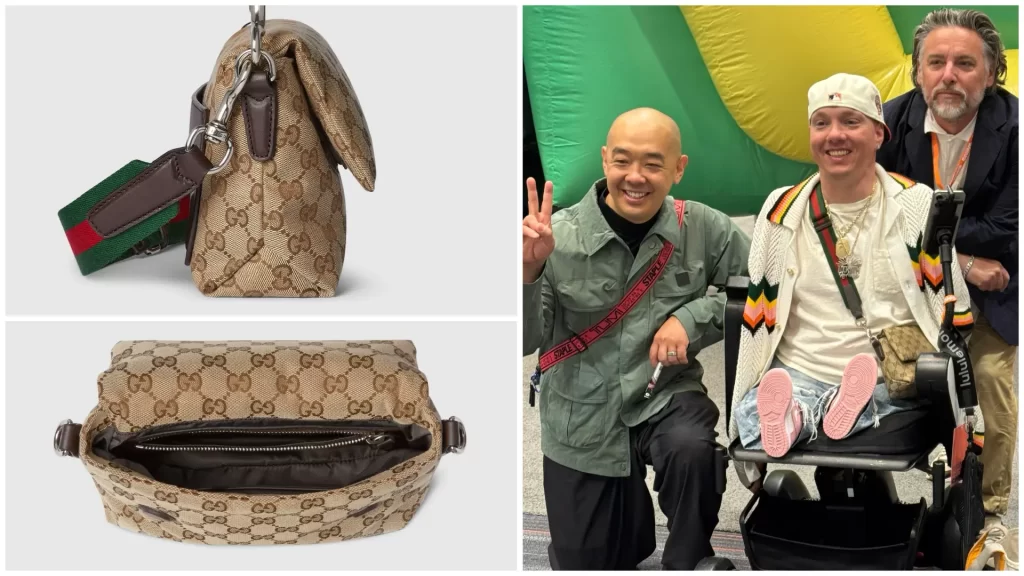
While I was in town to deliver a keynote, I stopped into the Gucci store just to take a look. That’s when I found it: a beautiful, sleek bag with magnetic button closures. I saw it right away, and instantly, it just made sense. It opened and closed so smoothly with just the end of my arm—no fighting with zippers or tight clasps. For someone like me with a limb difference, that moment felt personal. I had to get it.
That experience is what inspired this blog—and it got me thinking about inclusive fashion design in a whole new way.
A Small Feature with a Big Impact
Inclusive fashion design doesn’t always start as a mission. Sometimes, it happens when great design meets real-world needs. Magnetic buttons might not sound revolutionary, but for anyone with limited dexterity, limb differences, or mobility challenges, they can change everything. These easy-to-use closures allow someone to open and close a bag with one hand—no pinching, twisting, or two-handed struggle required.
We often take for granted the ability to zip up a bag or snap a button. But for millions of people, those everyday motions are obstacles. That’s where inclusive design shows up—not always in big statements, but in small, thoughtful decisions that make life easier.
Gucci’s Accidental Win for Inclusion
To be clear, Gucci didn’t market this bag as accessible or adaptive. There were no signs, no campaigns. But that’s part of what makes it powerful. Without even realizing it, the brand offered a design that’s more usable for a wider range of people.
This is where inclusive fashion design shows its true strength: it blends in. It doesn’t draw attention to what’s different—it simply works better for more people. And in this case, Gucci’s use of magnetic closures turned a luxury item into something far more universal.
Why Magnetic Buttons Matter in Fashion
Let’s break it down. Magnetic buttons offer:
- Ease of use for people with arthritis, tremors, or limited hand mobility
- One-handed access, ideal for anyone using mobility aids or juggling multiple tasks
- No-handed access for someone like me—an amputee—who might use their mouth, limbs, or feet
- Fewer barriers, especially for folks with limb differences
- Stylish function, since the buttons are often hidden or integrated into sleek designs
When fashion works for more people, that’s inclusive fashion design in action. And it’s not just about disability—it’s about designing for real life.
Accessibility Without the Labels
The best kind of accessibility is the kind you don’t have to ask for. You don’t want to be sent to a separate section of the store or offered a modified version of a product. You want to buy the same beautiful item everyone else is excited about—and be able to use it independently.
That’s why inclusive fashion design matters so much. It’s not about calling out difference. It’s about building better experiences for everyone, quietly and confidently.
When I left that Gucci store with my new bag, I wasn’t thinking about accessibility. I was thinking, “This works for me, I love it and it looks great.” That’s the sweet spot. That’s the goal.
Luxury That Works for More People
Fashion has the power to shape how we move through the world—literally. A well-designed item can boost confidence, increase independence, and reduce frustration. That’s especially true when it comes to inclusive fashion design.
And while Gucci may not have set out to create an “accessible” bag, the result shows that design choices have ripple effects. Whether intentional or not, they created something that works for a wider audience.
What would happen if more luxury brands embraced this thinking on purpose?
A Call to Designers and Brands
Here’s the takeaway: inclusive fashion design doesn’t have to be complicated. It doesn’t have to look clinical. And it absolutely doesn’t have to sacrifice beauty or creativity.
Small shifts—like using magnetic buttons instead of tiny zippers—can make a huge difference in someone’s everyday life. And when those changes are baked into the design from the start, the result is a product that feels truly universal.
If you’re a designer, a brand manager, or part of a creative team, consider this your nudge: you can lead with inclusion without changing your entire aesthetic. You just have to start noticing the little things that create barriers—and start building better ways around them.
Final Thoughts
Fashion is supposed to be empowering. It’s supposed to help you express who you are and feel good doing it. That only happens when it’s usable. That’s where inclusive fashion design steps in.
My Gucci bag with magnetic buttons might seem like a small win—but to me, it’s proof that luxury and accessibility don’t have to live in separate worlds. They can coexist. They should coexist.
If you’re looking to make your brand more inclusive—from your design process to the final product—let’s talk. This is the kind of work we love doing.
Contact Equal Accessibility today to start your inclusive fashion design journey.